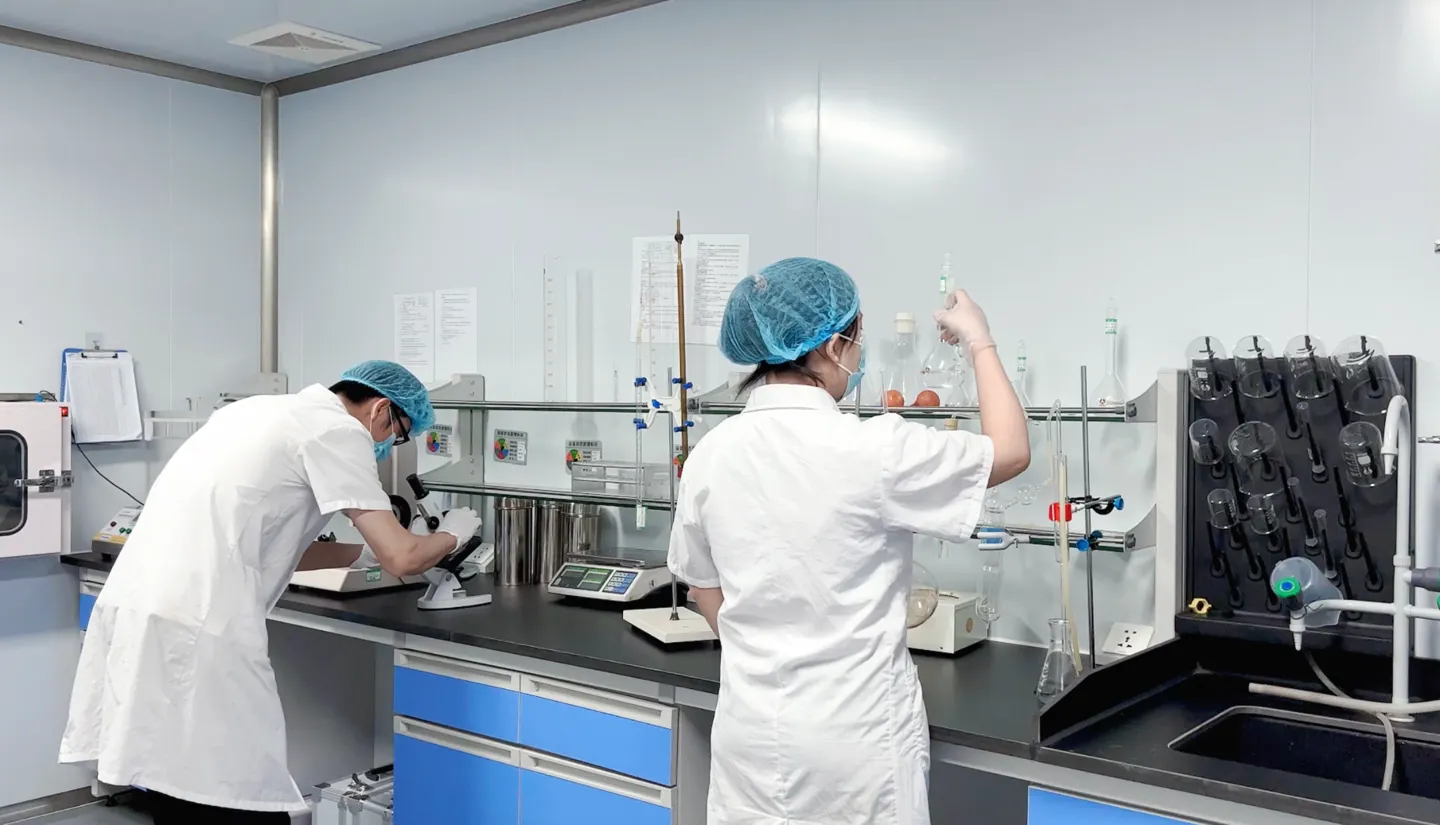
What PDRN actually is
PDRN stands for polydeoxyribonucleotide. In cosmetics it appears on ingredient lists as Sodium DNA: a mixture of short DNA fragments, traditionally extracted from salmon (or trout) sperm/milt. It is not a single small molecule like niacinamide, but a family of fragments of different lengths — which is why two raw materials both labelled "PDRN" can behave very differently in a formula.
PDRN first built its reputation in Korean aesthetic clinics, where polynucleotide preparations are used as injectables. That background is why the ingredient is fashionable — and why founders need to be careful. The strongest clinical evidence for PDRN relates to injectable treatments. Evidence for topical use is still developing, a cream is not an injection, and injectable PDRN is not FDA-approved in the United States. A private label product can use PDRN as a credible, story-rich featured ingredient; it cannot honestly promise injection-like results, skin regeneration, or DNA repair.
Why PDRN is surging now
According to Spate's 2026 reporting, PDRN ranked No. 1 for skincare ingredient popularity growth, up 322.3% year on year. The October–November 2026 launch calendar shows how fast major K-beauty brands are moving: Medicube alone launched four PDRN products in that window — toner pads, a glow duo, a sun stick, and the PDRN Pink Peptide Glow Mist on November 3. Anua's PDRN × Sanrio Cinnamoroll post on October 2 drew 15,714 likes, the highest engagement in our recent watch of leading Korean brand accounts, and VT Cosmetics and Mediheal have also added PDRN launches. When brands of that size build sub-lines around one ingredient, founder demand for a private label version follows within weeks.
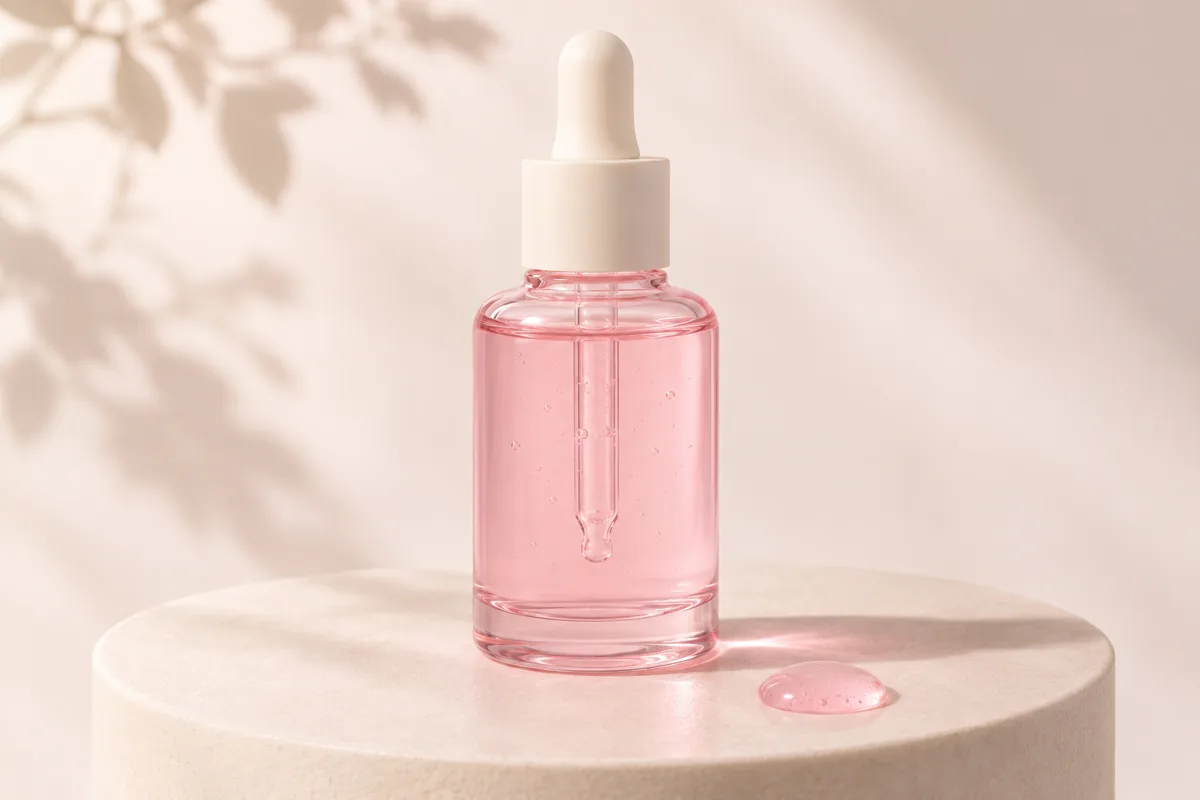
How PDRN is used in a formulation
Formats. Serums and ampoules are the hero format: they carry the ingredient story and suit the water-based systems PDRN prefers. Sheet masks and hydrogel masks are the natural second format — short-contact, high-water, and easy to understand. Creams work as line extensions; toner pads and sun care are emerging formats. Sun care is the most technically demanding, because the UV-filter system, film formation, and stability all have to succeed at once.
Use level — read the form, not just the number. Confusing the two supply forms is the most common costing mistake in PDRN briefs:
- Neat powder (Sodium DNA): published supplier technical sheets typically recommend roughly 0.02–1.0%.
- Pre-dissolved solutions: these are mostly water and carrier, with the DNA itself often at ppm level, so recommended addition rates look far higher — sometimes single-digit percentages of the solution. That is not more active; it is a more dilute raw material.
Treat both as typical supplier recommendations, not a universal standard. The correct dose comes from the specific material's technical data sheet, its actual DNA content, and your cost and positioning targets.
What to check on the raw material. Ask every supplier for: molecular-weight distribution (published ranges are broad, roughly 50–1,500 kDa overall, with cosmetic grades often narrower — and fragment size matters for a topical product because DNA fragments are large molecules); purity/assay; source and traceability documents; the exact INCI name; and recommended pH, temperature, and use level. Two offers at very different prices usually differ on exactly these points.
Pairing logic. PDRN is water-soluble and is normally added to the water phase or during cool-down. It pairs logically with hyaluronic acid, panthenol, glycerin, and niacinamide, plus peptides — the "PDRN + peptide" combination is already a visible market pattern. Typical supplier technical sheets suggest a finished-product pH around 5.5–6.5 and cool-down addition rather than holding the material hot. Strongly acidic systems, high alcohol loads, and aggressive exfoliant combinations should never be assumed compatible — they need supplier confirmation and stability testing in the actual formula.
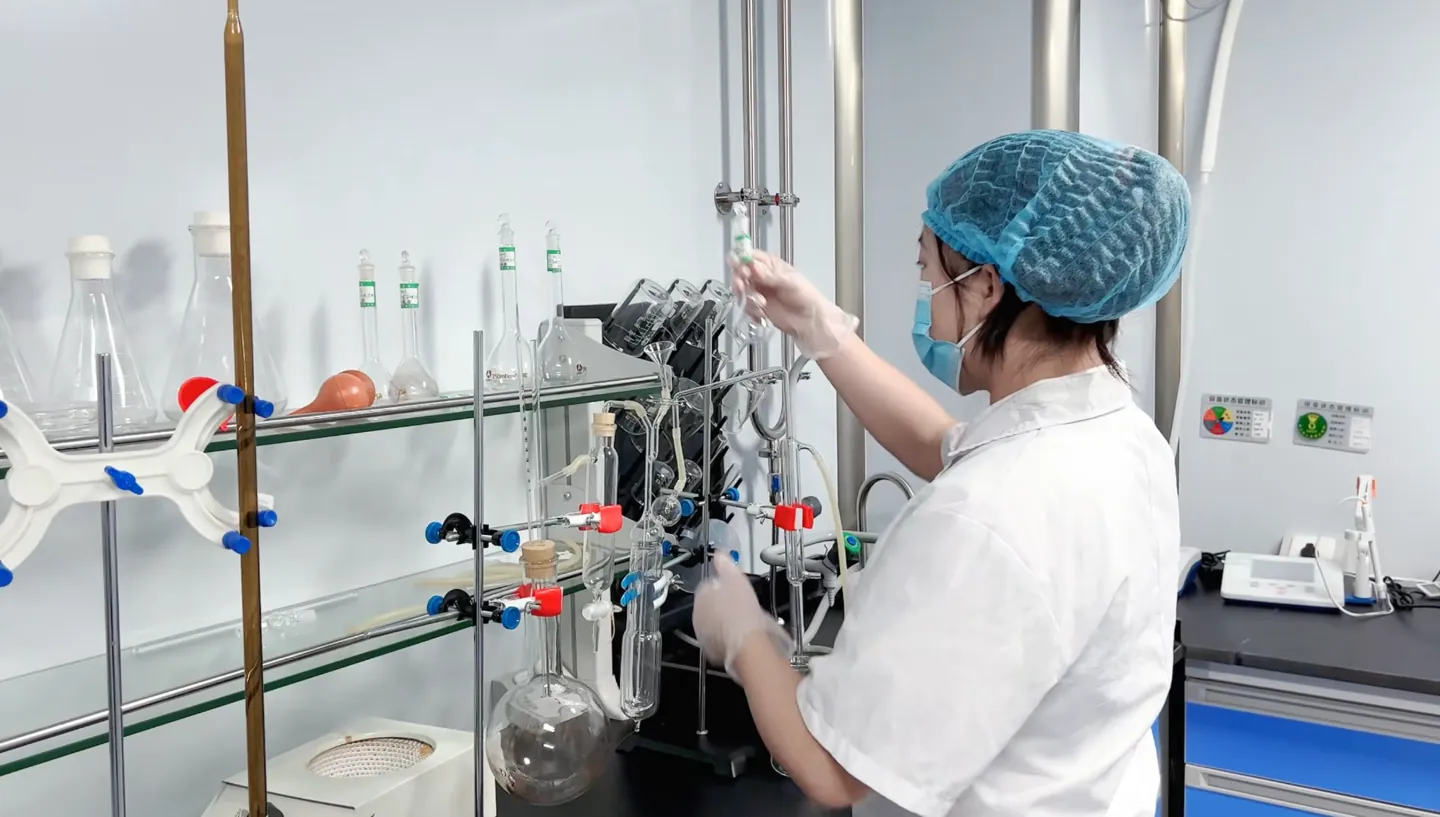
Salmon-derived or vegan PDRN? The sourcing decision
Salmon-derived PDRN is the original, most recognised form, with the longest history behind the category. It is also, by definition, animal-derived. That rules it out of a vegan-positioned line, and it can raise questions on animal origin, allergen communication, and sourcing sustainability. If you choose it, get the source declaration, species, and traceability paperwork before approving label copy.
Vegan / plant-derived PDRN is the newer alternative: suppliers now market Sodium DNA materials derived from plant sources (rice and rose are among those being promoted) or produced by fermentation. These suit vegan positioning, and the story is easier in many Western markets. Two cautions. First, naming and INCI declaration for plant-derived materials are less settled and vary by supplier — confirm the exact INCI and source documentation early, not at printing stage. Second, do not assume equivalence: the evidence discussion around PDRN largely concerns the salmon-derived material, so a plant-derived version should be positioned on its own merits, not borrowed claims.
Neither choice is automatically "better." The right answer depends on your market, price point, and the claims your brand can actually support.
Stability and claims discipline
- Stability: confirm colour, odour, pH, viscosity, and preservative performance over your stability programme — especially in clear packaging, where a hero serum sits in light.
- Compatibility: test the PDRN raw material in your base, not a supplier's demo base; emulsifiers, electrolytes, and fragrance can change the picture.
- Claims: stay in cosmetic language — skin that looks hydrated, comfortable, smoother, more resilient in appearance. Avoid regeneration, healing, DNA-repair, wound, and injection-comparison claims, and medical or post-procedure promises, unless your market's rules and your evidence genuinely support them.
- Documentation: keep the raw-material COA, TDS, source declaration, and safety documents in your product file; manufacturing documentation is available on request for products developed with us.
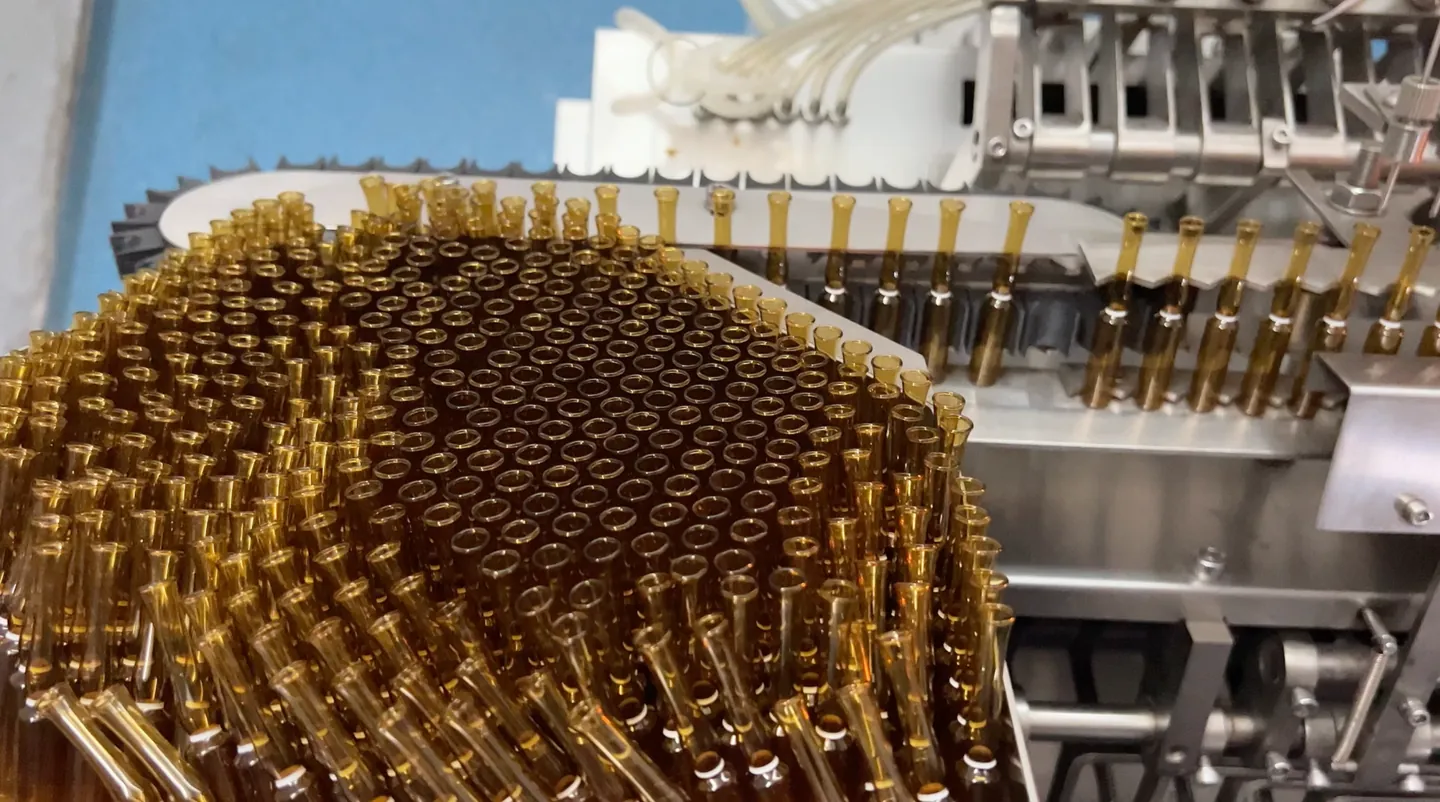
How a founder develops a private label PDRN product
- Brief. Define the market, format, source choice (salmon or vegan), target price, and the claims you want to make. A one-paragraph concept is enough to start.
- Target Product Analysis. If a product on the market inspired you, send it. We break down its format, ingredient logic, and positioning, then map what is realistic to develop — rather than copying it.
- Sampling. Samples are prepared for your evaluation of texture, scent, feel, and finish, with structured revision rounds.
- Packaging. Airless pumps and droppers are the usual serum choices; component compatibility is checked before quantities are committed.
- Production and QC. Once formula and packaging are locked, production runs with quality checkpoints, and export documentation support is coordinated for your destination.
Start with sourcing and claims — the formula follows from those choices.
Start your PDRN concept
Send us your target product or your concept for a free initial analysis and a sampling discussion. We will look at the format, the sourcing route, and what is realistic to develop for your market — no obligation to proceed.
Contact: Tina Li, Sales Manager — info@miruiacosmetics.com / WhatsApp +86 159 7562 8538